Jamaica’s Lost City Earns World Stage Spotlight
Once the “Wickedest City in the West,” Port Royal Has Just Made History Again
Jamaica’s sunken city, Port Royal, has officially earned its place on the UNESCO World Heritage List—a major milestone for a site long shrouded in mystery, legend, and resilience.
Announced on July 12, 2025, the designation recognizes the Archaeological Ensemble of 17th Century Port Royal, which includes preserved fortifications, colonial buildings, and perhaps most intriguingly, the remains of an entire city submerged during the catastrophic earthquake of 1692.
This marks Jamaica’s second UNESCO World Heritage Site (the first being the Blue and John Crow Mountains), cementing Port Royal’s global importance as a cultural and archaeological treasure.
The 1692 Catastrophe That Shaped a Legacy
Port Royal was once the wealthiest—and most notorious—port in the Caribbean. Home to English colonialists, pirates, and privateers (like the infamous Henry Morgan), the city thrived on rum, gold, and excess.
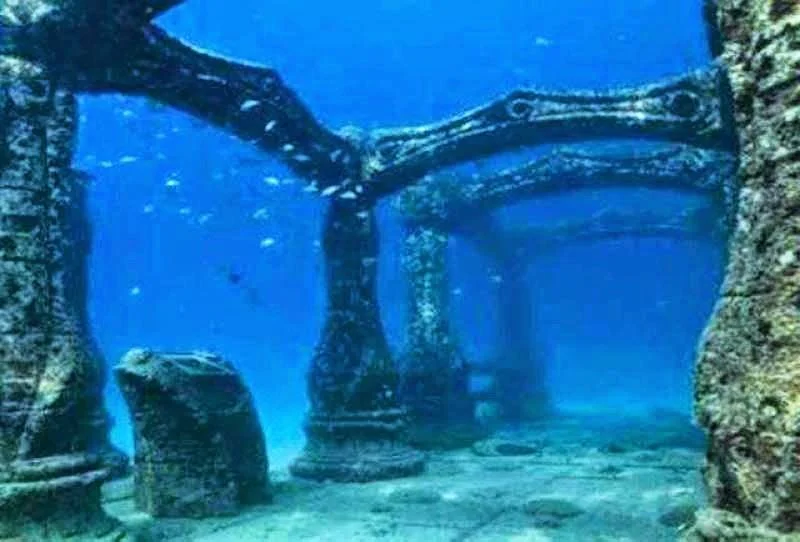
That all changed on June 7, 1692, when a massive earthquake caused a significant portion of the city to sink beneath the sea. But rather than vanishing, Port Royal became immortalized. Its underwater ruins, frozen in time, are now among the most significant submerged heritage sites in the Western Hemisphere.
At approximately 11:43 AM on June 7, 1692, Port Royal was devastated by a powerful 7.5 magnitude earthquake. In a matter of moments, nearly 2,000 lives were lost, with another 3,000 succumbing to injuries and disease in the days that followed. In a catastrophic twist of fate, two-thirds of the city plunged into the Caribbean Sea—homes, streets, churches, and people swallowed whole. Ships anchored in the harbor sank instantly, while a massive tidal wave surged over the slender strip of land, hurling vessels onto rooftops and flattening structures already weakened by the tremor.
What remains beneath the sea is now regarded as one of the most significant underwater archaeological sites in the Western Hemisphere. Port Royal joins a rare class of “time capsule” cities—like Pompeii and Herculaneum in Italy, or Ozette Village in Washington State—where life was frozen in the wake of a natural catastrophe. These sites, untouched by looters or modern development, offer scholars an extraordinary window into the past.
Although the town was rebuilt in the years following the disaster, it suffered another major blow in 1703 when a fire ravaged what had been restored. The artistic reconstruction shown below reflects how Port Royal may have looked around 1840. But centuries of earthquakes, hurricanes, and time have whittled it down further—today, only a small portion remains above the waves.
With its new UNESCO status, Jamaica is now poised to reintroduce Port Royal to the world—not as a city of sin, but as a city of stories.
Port Royal Reimagined: A Cruise Destination for Locals and the World
Port Royal is not just making waves as a UNESCO World Heritage Site—it’s also gearing up to become Jamaica’s most exciting new cruise port.
This once-sunken city has been reimagined as an orderly, welcoming destination where both international visitors and Jamaicans can explore, enjoy, and connect with their history. The Jamaica government has pledged commitment to preserving Port Royal’s peaceful charm and rich cultural identity—no “hustle and harass” atmosphere here, just a curated space where authenticity and order thrive.
Key Sites to Explore at Port Royal
Long before the UNESCO announcement, Port Royal had begun to slowly welcome curious travelers. Now, it's on the brink of a tourism renaissance, with updated heritage trails, new tours, and immersive experiences in the works. Here are my top recommendations of places you must visit in Port Royal:
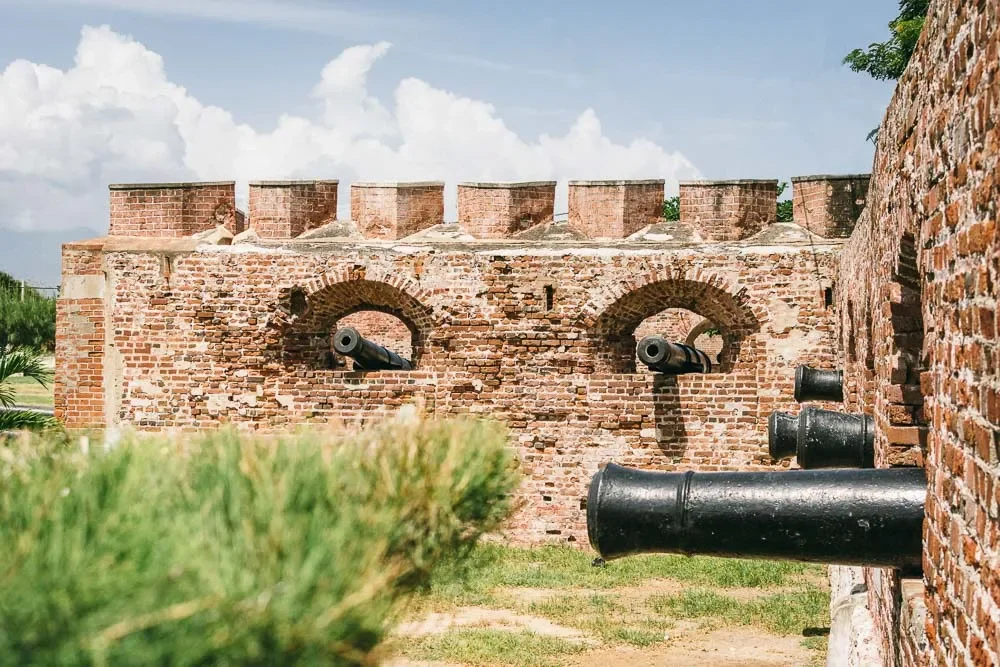
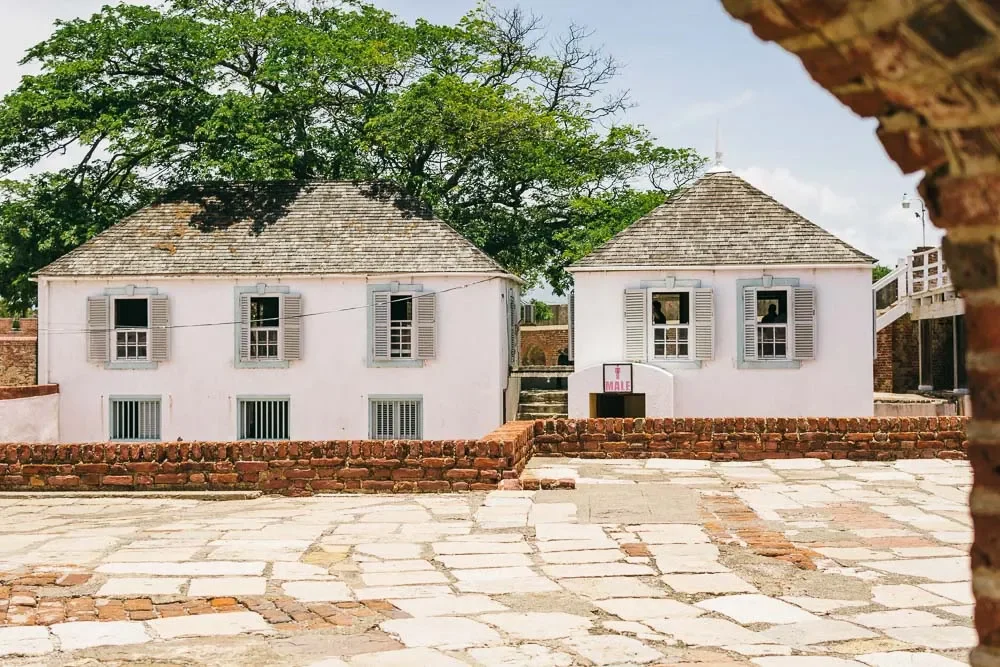
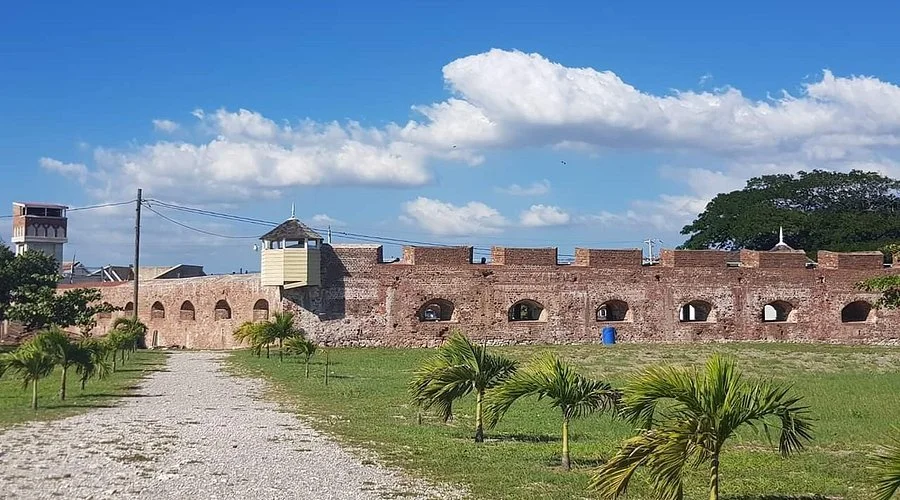
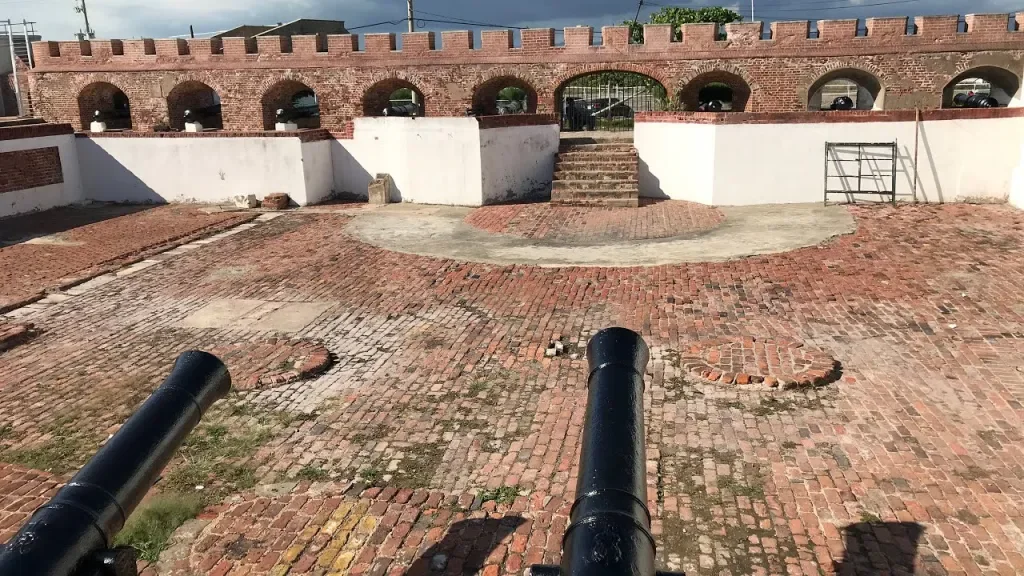
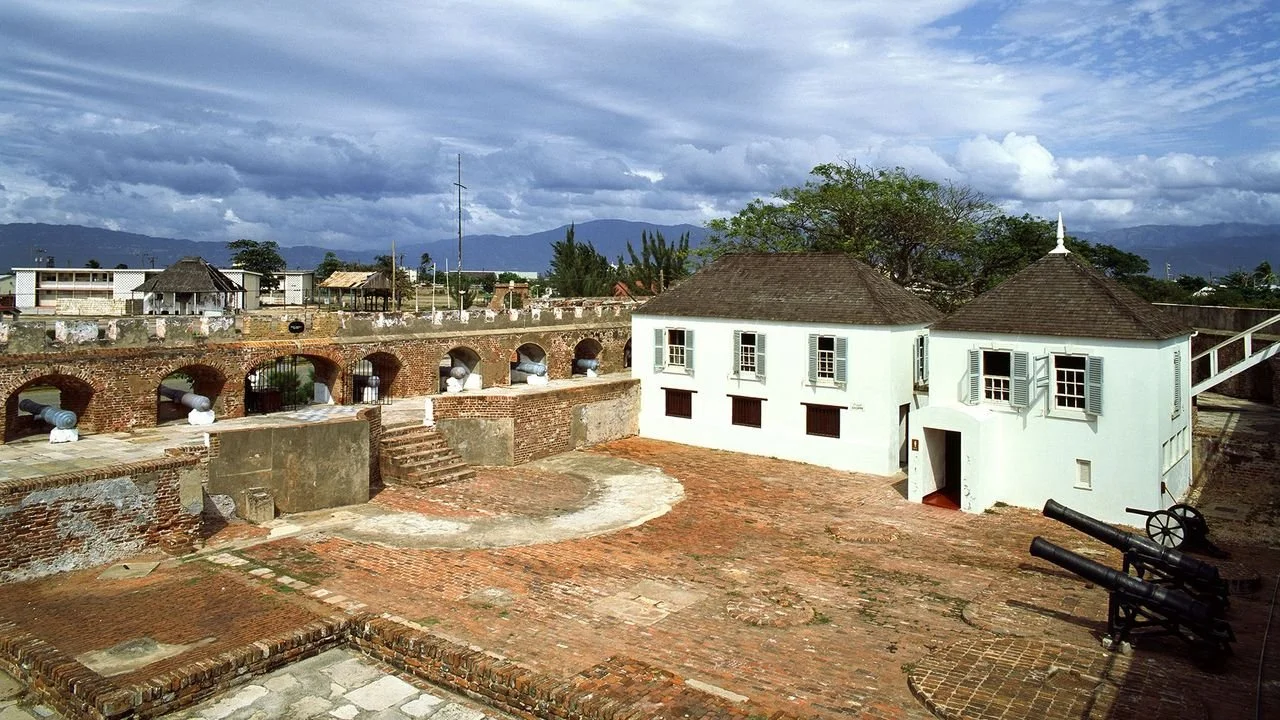
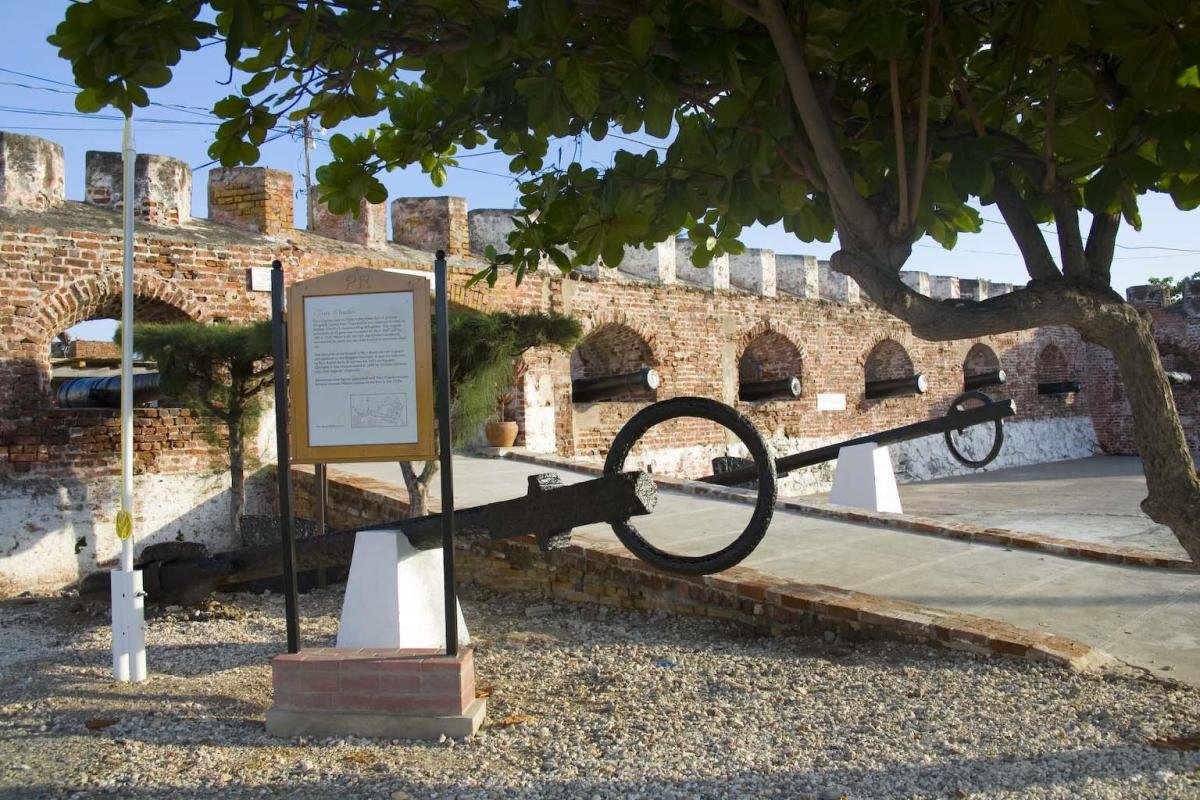
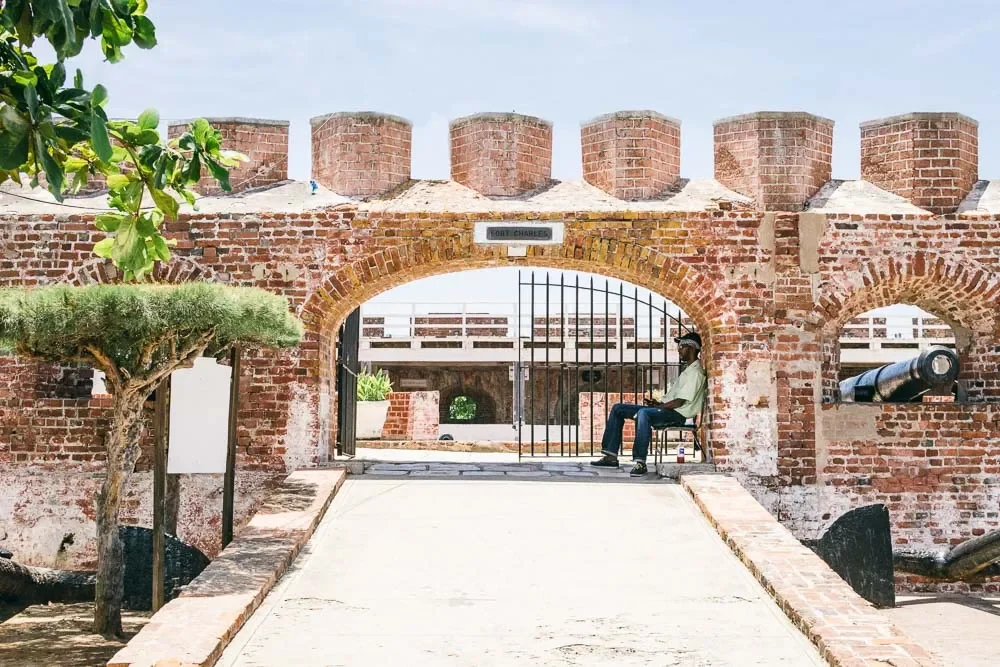
Fort Charles: The best-preserved British fort in Port Royal, complete with cannons, historic tunnels, and a small museum.
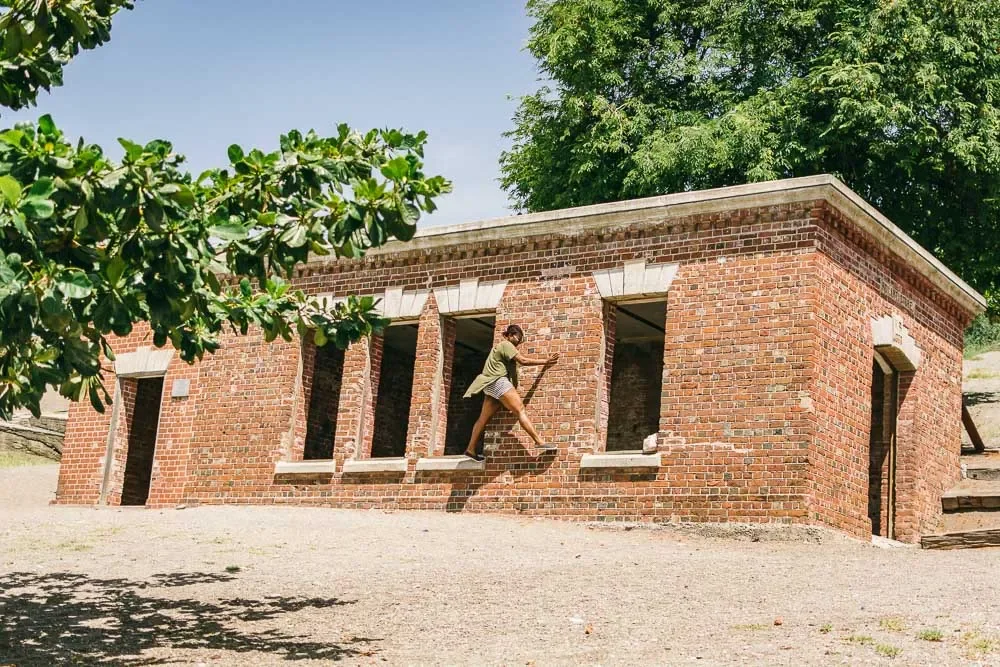
Giddy House: A building famously tilted during the 1907 earthquake. Step inside and feel gravity defy you.
Sunken City Tours: While diving access is restricted, glass-bottom boat rides and virtual reconstructions offer a glimpse of submerged streets and buildings.
Port Royal Museum: A compact but fascinating collection of colonial relics and artifacts recovered from the seabed.
Lime Cay: A local favorite for beach picnics and snorkeling, just a short boat ride away.
To learn more, click here.